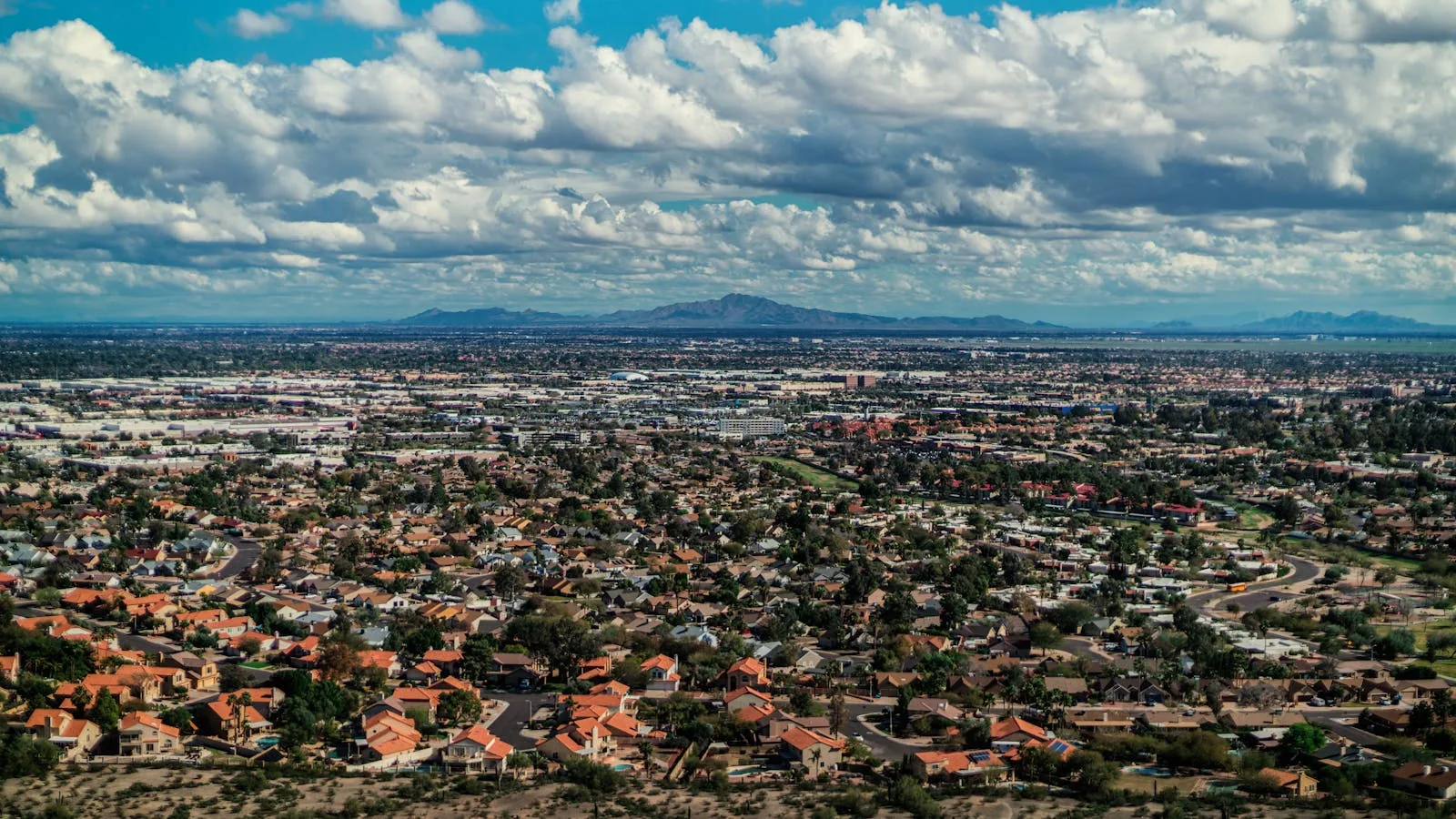
The stretch from Loop 202 toward Ironwood is one of the most interesting growth corridors in the East Valley for a local service business like Zippy Scoop. Not because it sounds impressive on a map, but because it is full of the exact kinds of neighborhoods where recurring dog waste cleanup makes sense.
Why this corridor matters
As more homes fill in between southeast Mesa, Eastmark-adjacent areas, Queen Creek growth communities, and the broader Ironwood corridor, you get a mix of family-heavy neighborhoods, newer yards, more dogs, and busier schedules. That combination creates steady demand for recurring cleanup.
What these neighborhoods have in common
- Busy families with packed schedules
- Backyards that are actually used
- Turf, gravel, and desert-landscape combinations
- Multi-dog homes
- A preference for simple recurring services instead of more weekend chores
Why recurring service fits better than waiting
In growth neighborhoods, homeowners often start by handling cleanup themselves. Then life gets busy, waste starts piling up, and the yard becomes one more thing on the list. Weekly or bi-weekly service usually works better than waiting until the mess becomes noticeable.
Why route density matters
For a local service company, it is not enough for a neighborhood to be growing. The route has to make operational sense. That is why the 202-to-Ironwood corridor matters: it gives Zippy Scoop a realistic path to cluster service across Eastmark, Queen Creek, Blossom Rock, and nearby expansion neighborhoods.
See Eastmark coverage, view Queen Creek service, check Blossom Rock, or get a free quote.